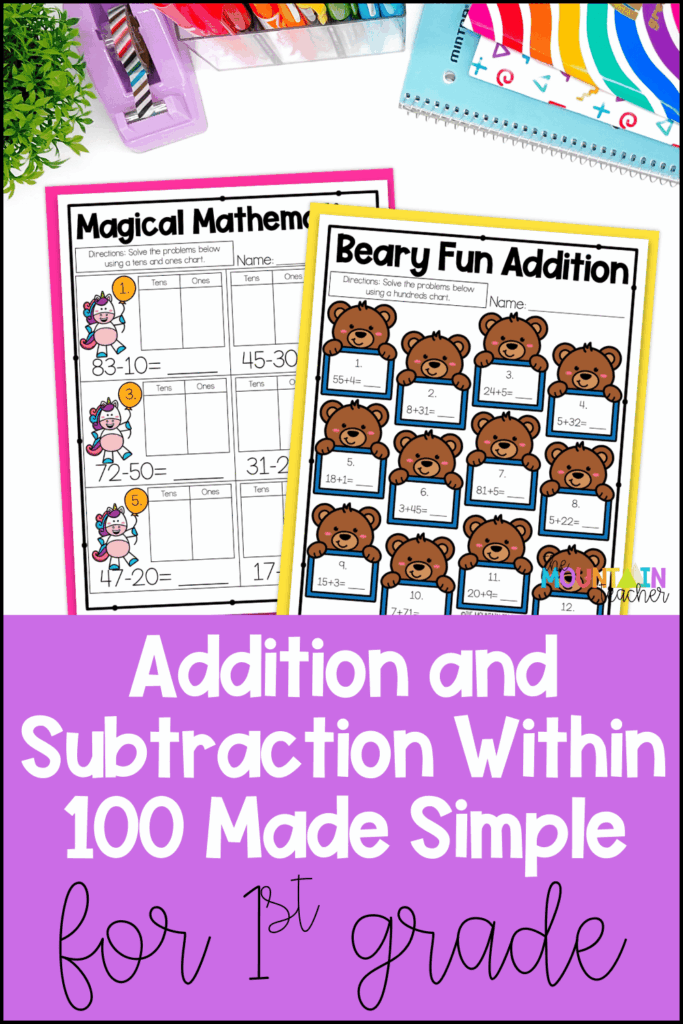
Raise your hand if you’ve ever watched a student carefully count “1…2…3…” all the way up to 78 just to add 25. Yep, we’ve all been there. Teaching addition and subtraction within 100 can feel overwhelming and chaotic. Some kids fly through mental math while others freeze at the very first regrouping problem. It’s tricky, it’s messy, and it can leave both you and your students feeling stuck. If you’re nodding along, let’s simplify addition and subtraction within 100 once and for all!
Why Addition and Subtraction Within 100 Feels Like a Big Leap
You’re not imagining it. This is a tough one, teacher-friend! Teaching first graders to add and subtract within 100 is a lot more complicated than it looks.
Think about it. . . our kids need to understand how tens and ones work together when regrouping, use tools like base-ten blocks or a hundreds chart, and start applying mental math strategies. That’s a lot to juggle for anyone, let alone a six- or seven-year-old!
And we’ve all seen it. Some students painstakingly count every single number, while others throw up their hands and just guess. Both situations leave them frustrated and can make math time feel like a major struggle.
That’s why having a clear, step-by-step unit can be a lifesaver. It gives our students the structure they need to feel confident, and it gives us a plan that actually makes teaching this tricky skill doable.
A Low-Prep Unit for Addition and Subtraction Within 100
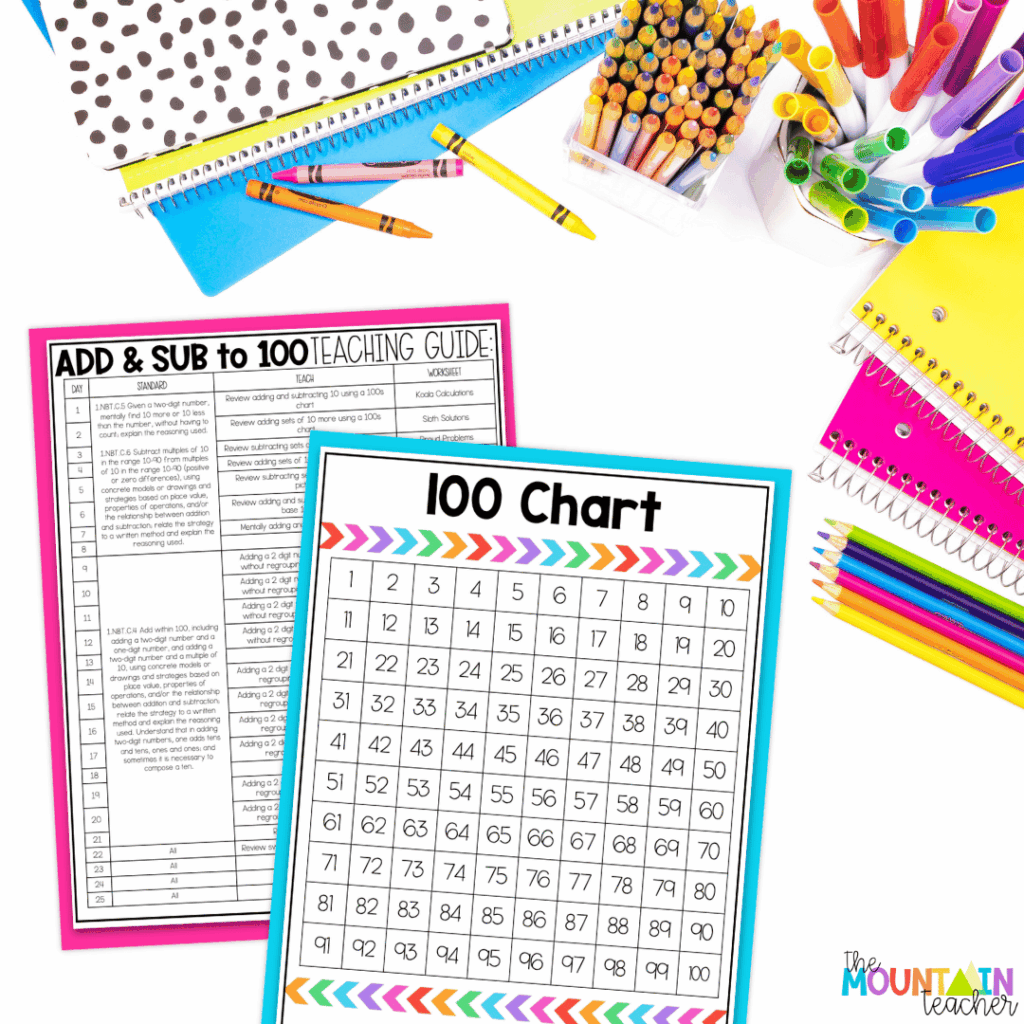
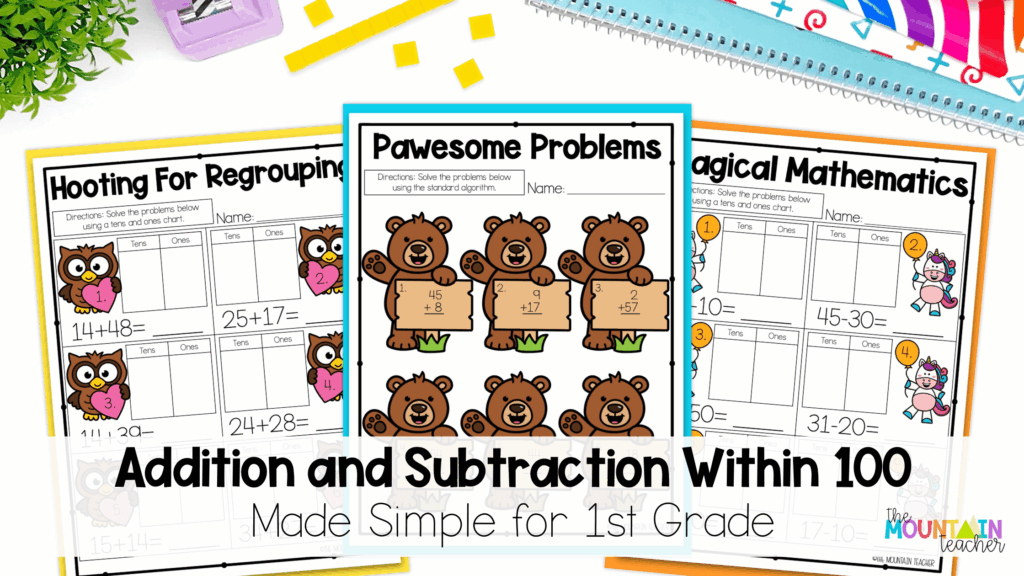
To make your life easier, I created the Addition and Subtraction Within 100 Unit. This 5-week, fully planned unit walks students through all the essential strategies for 2-digit addition and subtraction. You’ll find everything you need in one place. Here’s a quick peek at what you get:
- 25 days of worksheets and hands-on activities
- 25-day teaching guide with step-by-step instructions
- Anchor charts for every strategy, from base-ten addition to hundreds chart subtraction
- Pre- and post-tests
- 3 quizzes to check mastery
- 45 digital Easel activities for extra practice
Not only is everything ready to print and use, but every lesson focuses on one skill at a time. This keeps students from getting overwhelmed, and you always know what to teach next!
Now, let’s take a look at how I make teaching addition and subtraction within 100 simple, effective, and fun with just a few easy and repeatable steps!
Step One: Make Strategies Visible With Anchor Charts
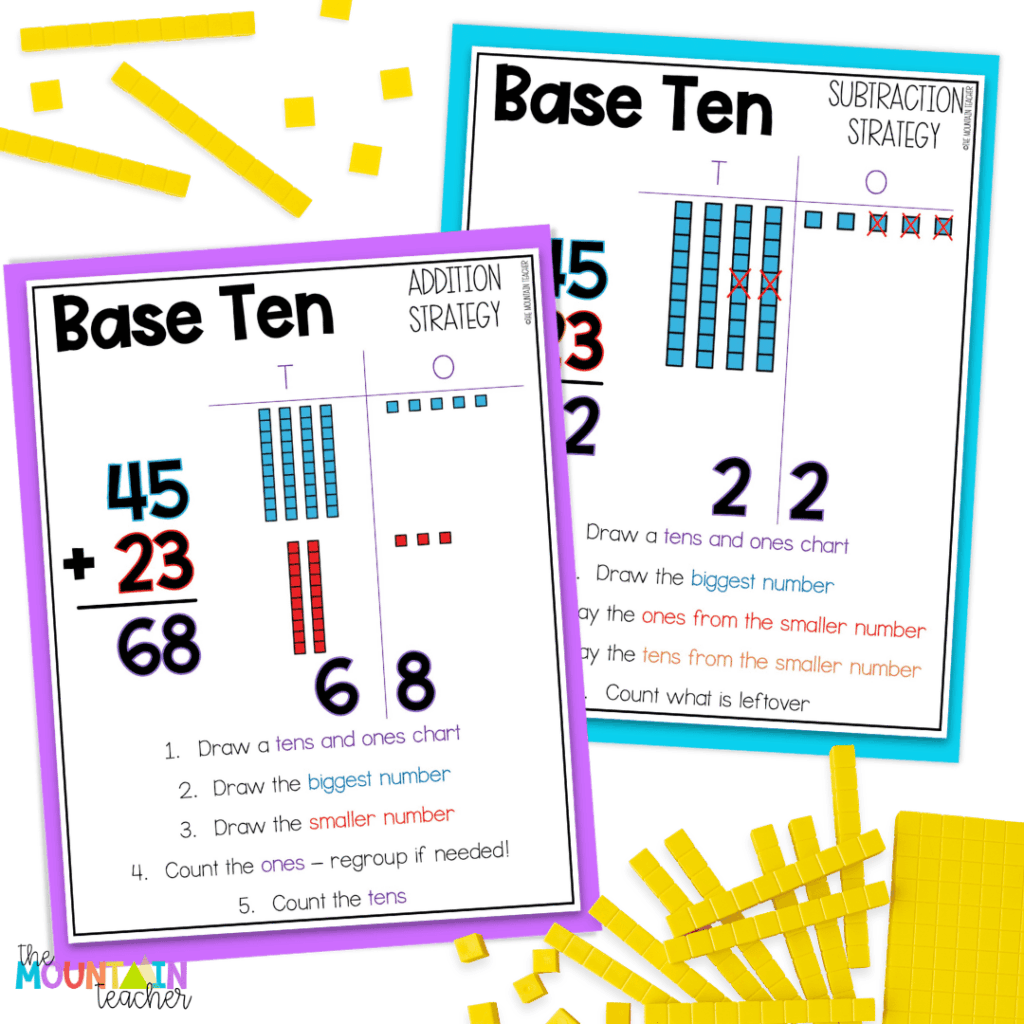
First things first, you need visuals. Anchor charts are a lifesaver for helping students see the math in action. Each strategy in this unit has a visual that makes abstract ideas concrete. Trust me, it’s the secret sauce that will help you teach addition and subtraction within 100 in a way that your kids actually hold onto.
For example, let’s say you want to teach your kids how to use a hundreds chart to add and subtract. You can take a problem like 45 + 23, and walk them through how to start at the bigger number on the hundreds chart, add the ones from the smaller number, and then add the tens from the smaller number to get your answer.
Seeing this problem and how to solve it on the anchor chart is such a game-changer! Inside my Addition and Subtraction within 100 Unit, you get 8 different anchor charts to help your kids visualize strategies like the hundreds chart, base ten blocks, and the standard algorithm. After introducing each new strategy, you can keep the anchor chart posted so they can refer back during guided practice or independent work.
Step Two: Hands-On Practice Before Paper
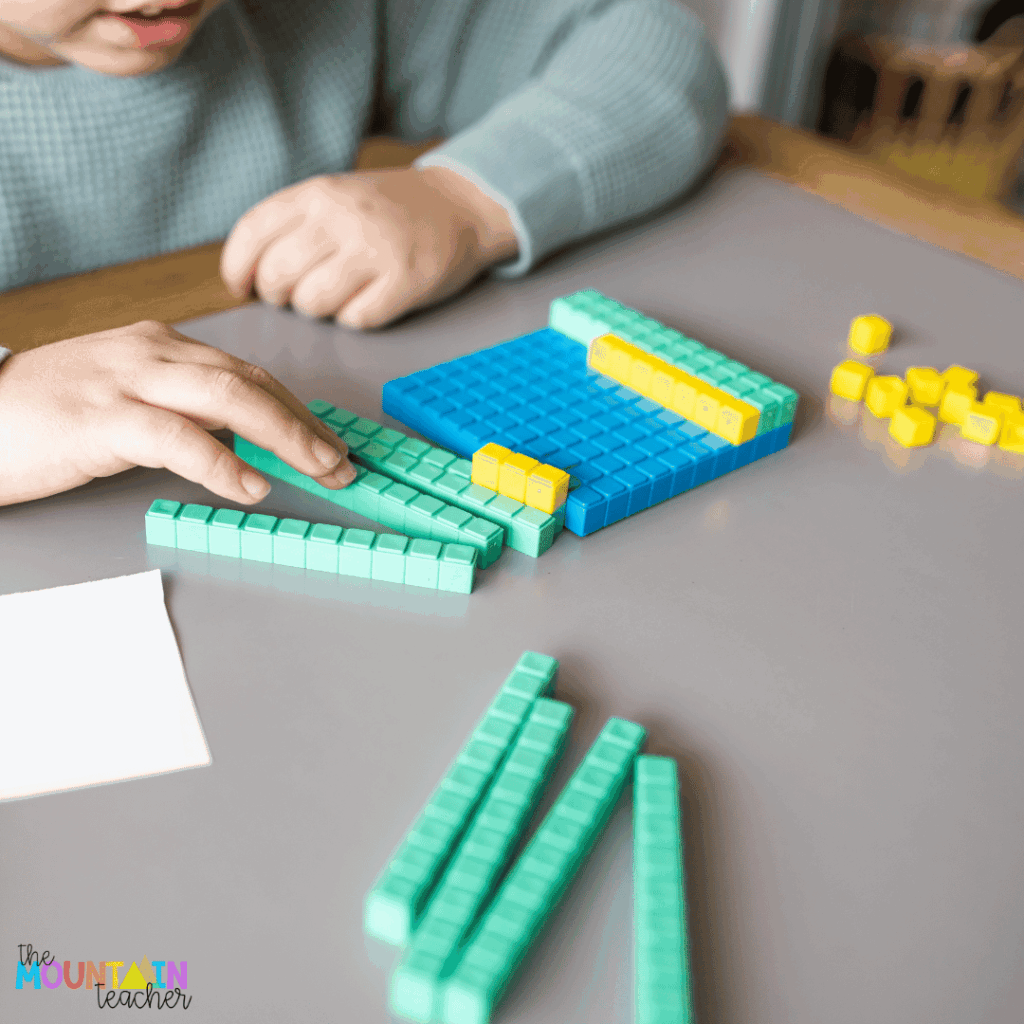
Next, it’s time for hands-on learning. If you’re in the primary grades, I don’t have to tell you that this is a MUST! Before expecting students to complete worksheets, they need to explore the math with manipulatives to truly cement understanding.
One of my favorite options is using base-ten blocks to model addition and subtraction problems. This is especially helpful as you start regrouping! You can also try working with a hundreds chart and number flashcards to build and solve equations. These are materials you likely already have in your room right now and will pair perfectly with each of the strategies you need to focus on.
In my unit, each day features a specific lesson to focus on, so you know exactly what to teach. You can use the anchor chart that matches that skill to conduct a quick lesson, then grab your manipulatives of choice to put it into practice. This simple formula gets repeated throughout the unit, so your kids know what to expect, and you stay right on schedule.
Step Three: Worksheets That Build Confidence
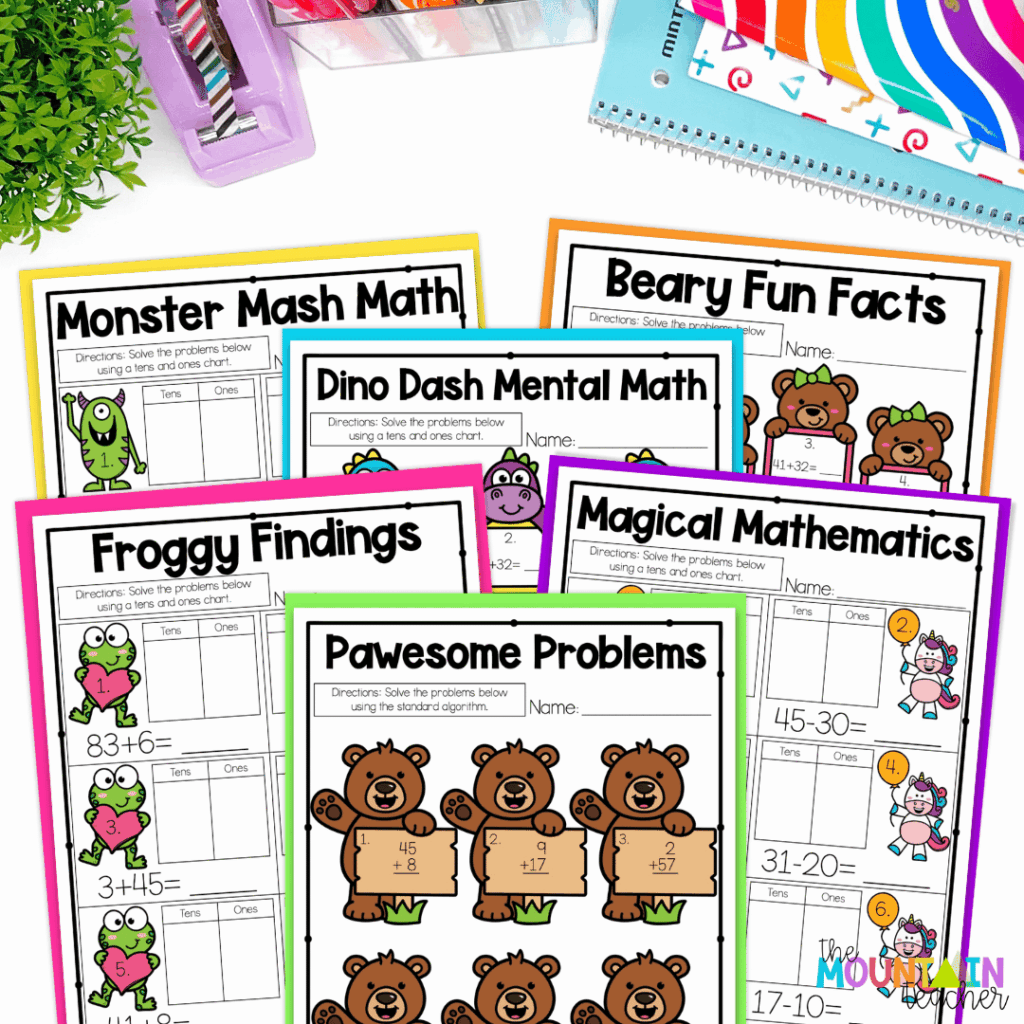
Once students understand the strategy through visuals and hands-on practice, it’s a great time to move to focused worksheets. And don’t worry, friend. . . I’ve got you covered here, too!
Inside my unit, every daily lesson has a kid-friendly worksheet to practice the focus skill. Whether it’s adding two-digit numbers without regrouping, subtracting with base-ten blocks, or using a hundreds chart, there’s a simple and effective worksheet for every day. Because the worksheets directly match the lesson, students know exactly what to do, and you can quickly spot who needs extra support.
These are perfect as an independent follow-up to your lesson and hands-on learning, or a small group activity tool that provides structure.
Put it Together with a Simple Routine
I don’t know about you, but I am all about making things practical and applicable to my classroom. If you’re wondering how this looks in practice, here’s a routine you can use with this unit to keep your math block calm, focused, and effective:

Warm-Up (2 minutes)
Ask a quick mental math question like “What’s 10 more than 57?” and let students share strategies. Don’t forget, the teaching guide tells you exactly what to focus on, so you can choose a question that aligns perfectly with the topic of the day!
Mini Lesson (5 minutes)
During this time, teach ONE strategy using an anchor chart or manipulatives. We want it to be focused, short, and concise for the best results! Don’t do too much.
Guided Practice (5 minutes)
Solve problems together using hands-on tools or visuals. This is where kids get to practice what you just explained.
Independent Practice (5 minutes)
Students complete the aligned worksheet while you observe and support. This routine keeps lessons predictable, manageable, and meaningful. Plus, it’s easy to repeat every day in your whole group teaching block, or in a small group lesson!
Make Addition and Subtraction Within 100 Fun and Doable
I hope you found the encouragement you needed here today, friend! Just remember, you’re not alone in this. Teaching addition and subtraction within 100 can get messy, but it doesn’t have to cramp your teaching style. Take it little by little, use plenty of visuals and manipulatives, and don’t forget to grab the supportive worksheets you need to really make it stick! You’ve got this!
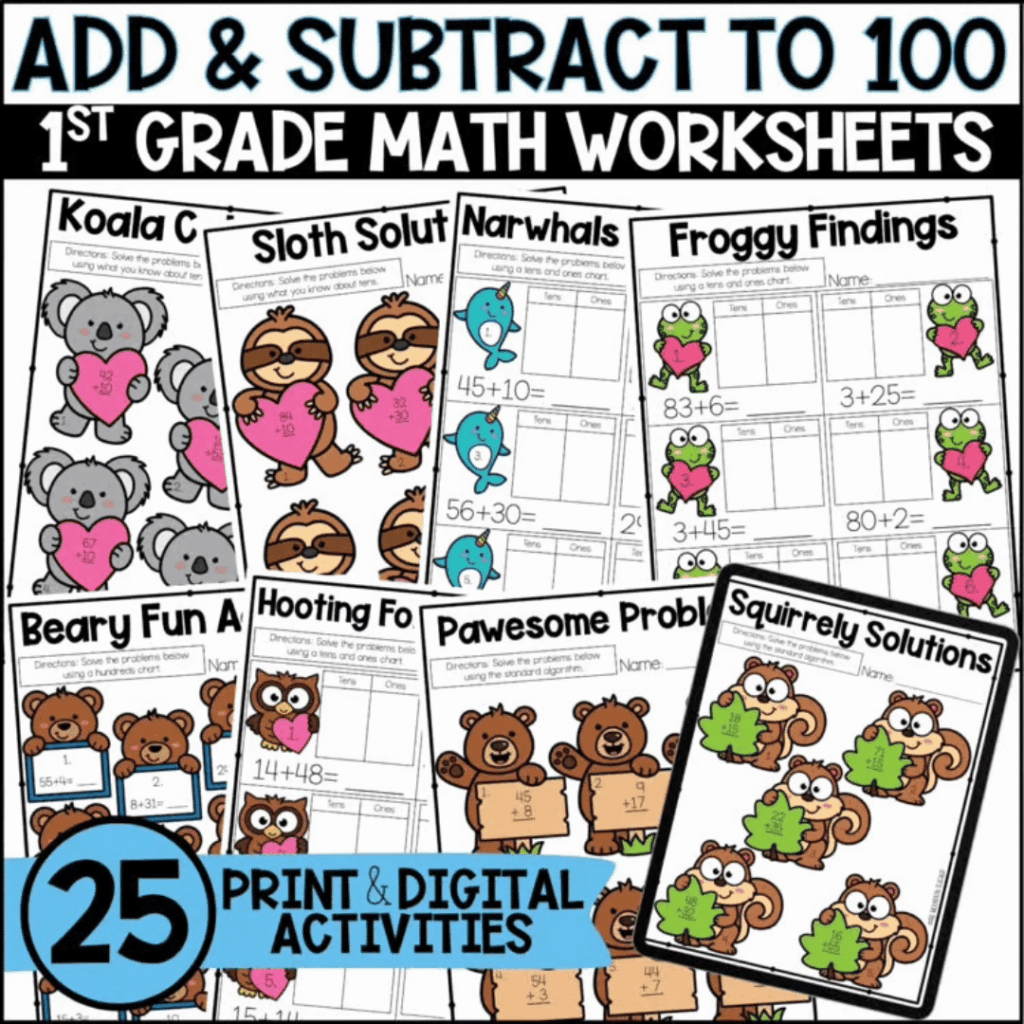
If you’re ready to stop guessing what to teach next, the Addition and Subtraction Within 100 Unit has everything you need for five weeks of low-prep, high-impact instruction. Students get consistent strategies, engaging practice, and plenty of ways to see the math in action!
Wishing You Had Streamlined Lessons for Every First Grade Math Skill?
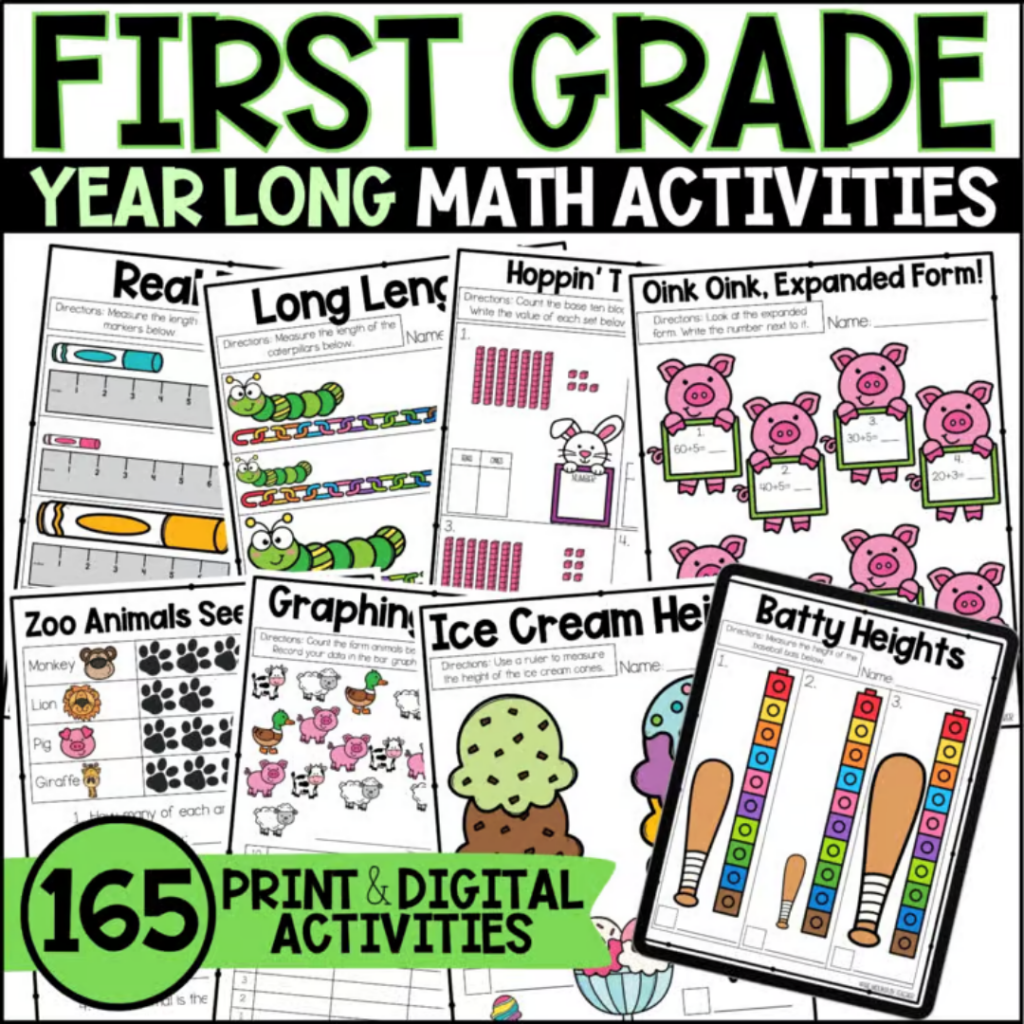
Ready to simplify your whole year? The Year-Long 1st Grade Math Bundle is just what you need! Inside, you’ll get:
- 8 Complete First Grade Math Units
- 165 First Grade Worksheets and Activities
- Teaching Guides for Each Unit
- Assessments: Tests and Practice Tests
- Weekly Quizzes for Each Unit
- Anchor Charts or Posters for Each Unit
- A year-long scope and sequence
This bundle covers topics like place value, adding and subtracting within 20, word problems, data and graphing, and so much more! Best of all, you won’t have to waste time looking for materials to support each one. Rest easier and grab this teacher lifesaver today!
Looking for More?
Read this post next for more math tips and ideas:
- Setting Up Practical Math Centers that Show Results
- Teaching Kindergarten Geometry: Ideas for 2D & 3D Shapes
- Easy to Use Measurement Lesson Plans for 2nd Graders
Save This Addition and Subtraction within 100 Teaching Tips
Make sure to pin this post on Pinterest so that you can quickly and easily find it later!