Have you ever looked around your classroom during a place value lesson and realized half your kids are counting ones, a few are mixing up digits, and someone is confidently telling you that 23 is “just a 2 and a 3”? Meanwhile, you’re juggling base ten blocks, number charts, and five different worksheets, trying to make it all click. Yep. Place value can feel messy. But don’t worry, friends, we’re going to change that today!
Place Value is one of those skills that looks straightforward but actually asks a LOT of our 1st graders. And when the lessons feel scattered or rushed, students end up memorizing steps instead of truly understanding numbers. The good news? Place value doesn’t have to feel this stressful. With clear visuals, hands-on practice, and a strong teaching sequence, your students can build real understanding, and you can stop second-guessing your lessons.
Let’s break down how to make 1st grade place value feel manageable, meaningful, and low-prep!
Why Place Value Feels So Hard in 1st Grade
Before we talk about solutions, it helps to name the struggle. Place value asks young learners to juggle a lot of big ideas all at once. They are expected to count and write numbers to 120, understand that ten ones make a ten, break numbers apart into tens and ones, identify the value of each digit, compare numbers using greater than, less than, and equal to symbols, and even mentally add or subtract 10. That is a huge amount of new thinking packed into a single unit.
It’s also why place value can feel tricky for so many students. Some kids can count perfectly but don’t really understand why the digits in a number matter. Others can build numbers confidently with blocks, but freeze when those same numbers are written on paper. And mentally adding or subtracting 10 can feel like actual magic if it hasn’t been modeled and practiced clearly.
That’s exactly why pacing, strong visuals, and consistent routines matter so much when teaching place value. When these concepts are introduced gradually and reinforced in predictable ways, students are far more likely to make sense of what the numbers are really telling them.
A Clear, Low-Prep Way to Teach Place Value
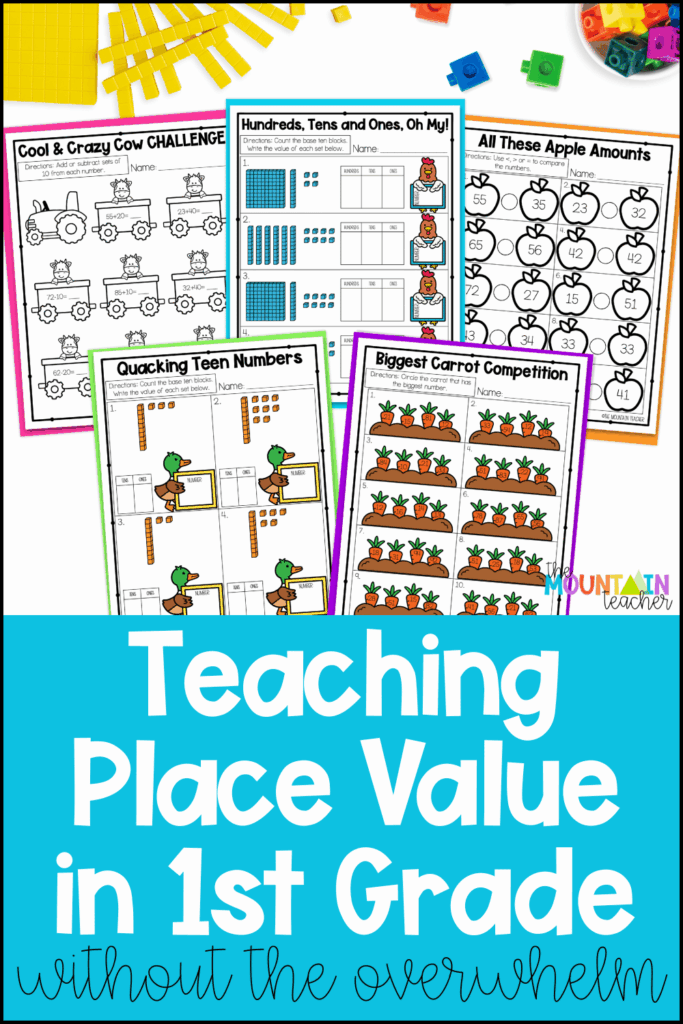
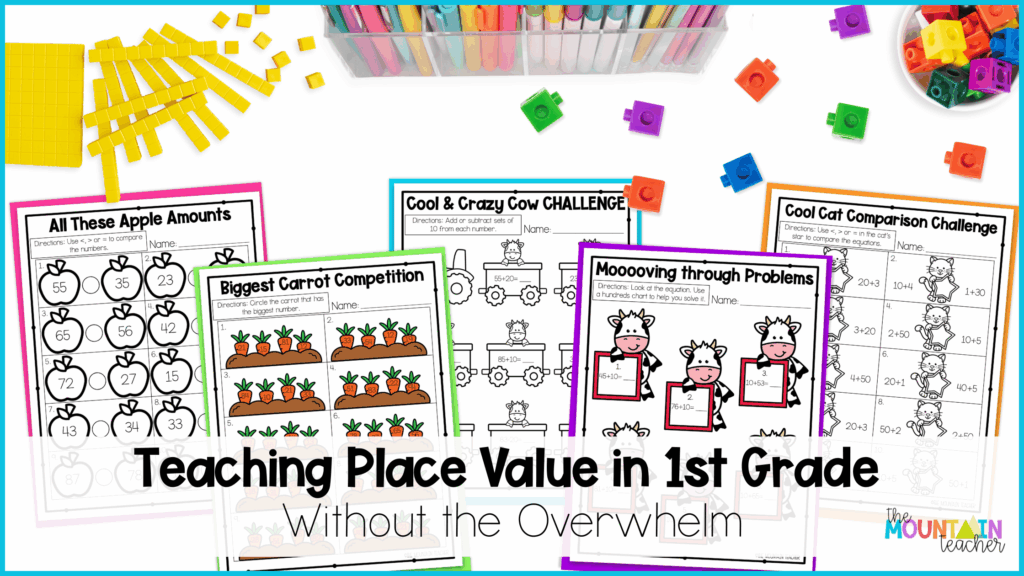
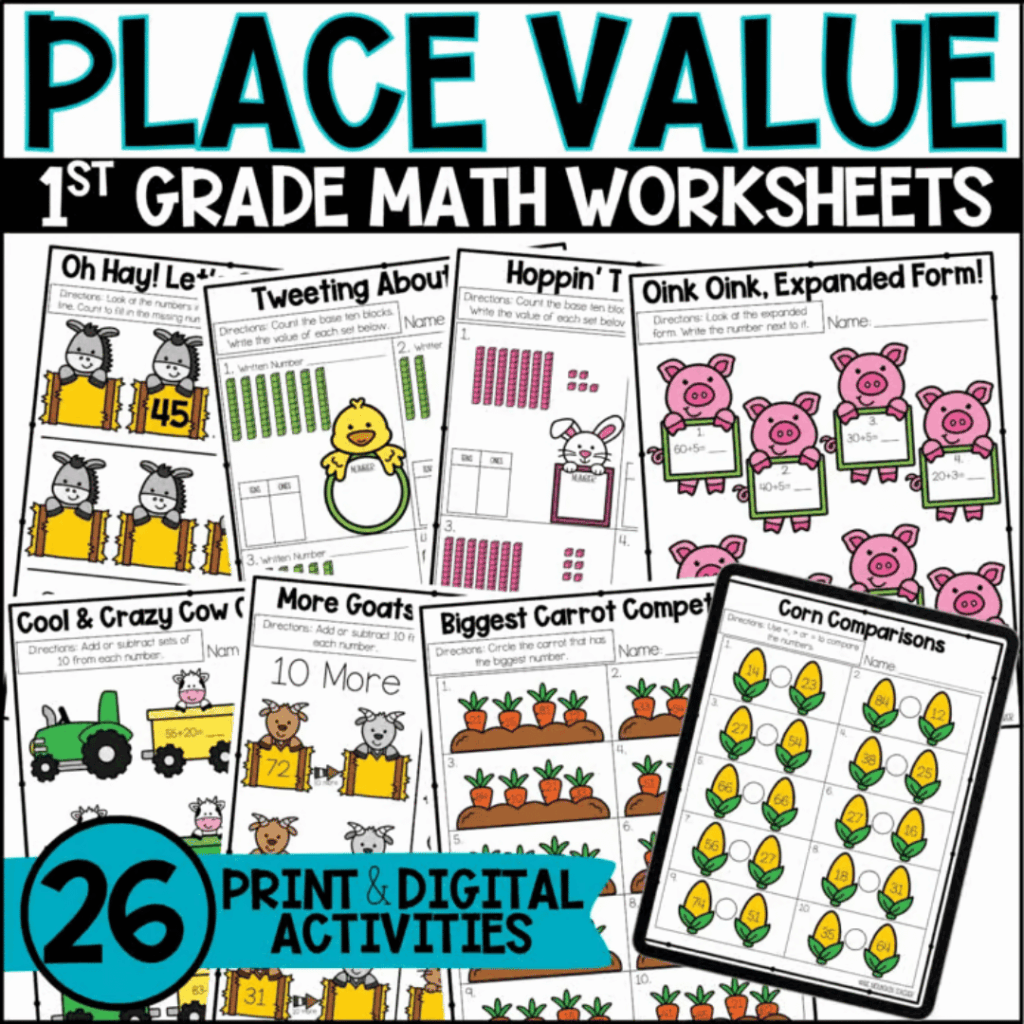
To take the guesswork out of teaching this big skill, I created the 1st Grade Place Value Unit. It’s designed to walk students through place value step by step, while saving you a ton of planning time.
Instead of piecing together random worksheets and hoping it all flows, this unit gives you a clear path for five full weeks of instruction.
Here’s what’s included and why it matters in your classroom:
• 26 days of place value worksheets and activities
• A 26-day teaching guide
• Anchor charts
• 4 place value quizzes plus a pre and post-test
• Answer keys
• 45 digital worksheets, assessment & easel activities
Everything is aligned to 1.NBT standards and sequenced in a way that makes sense for kids.
Step One: Start With Strong Place Value Visuals
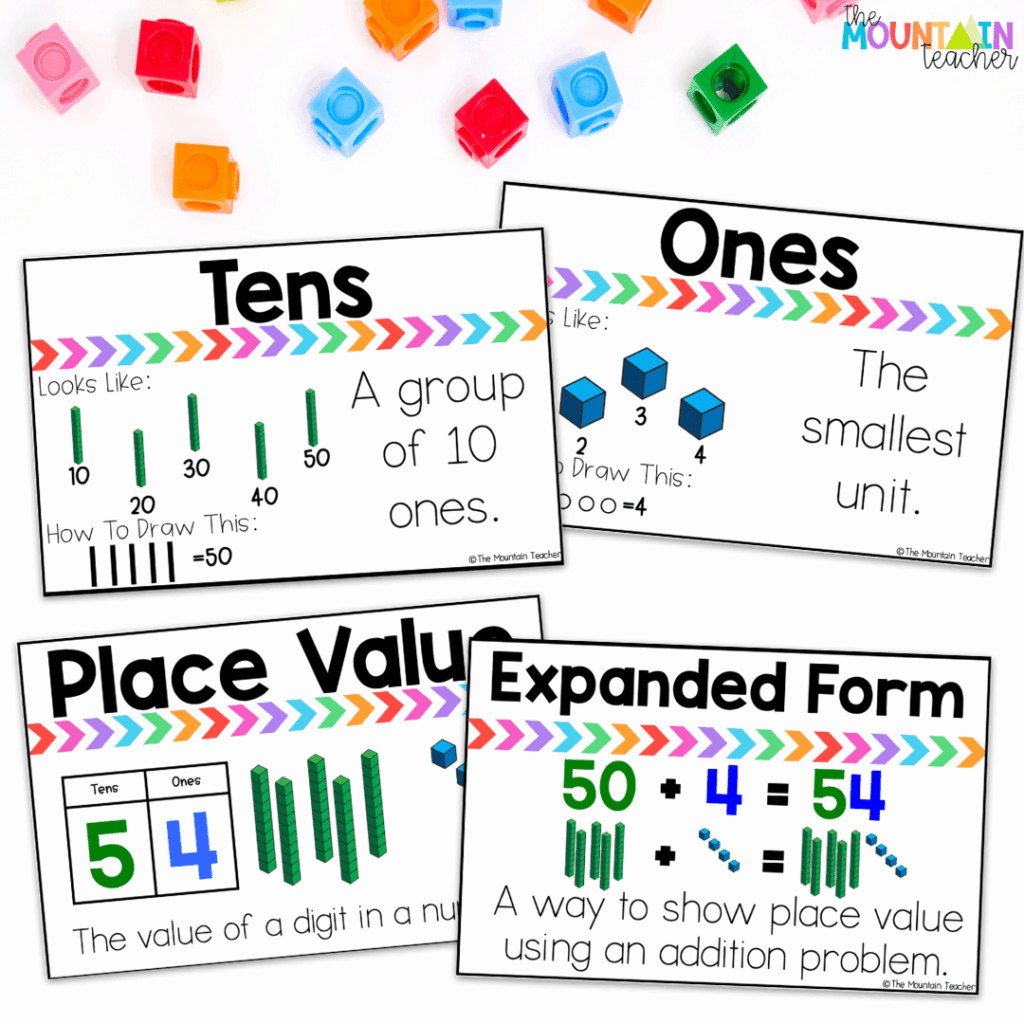
Place value is an abstract concept, which means students need to see it before they’re expected to truly understand it. This is where anchor charts and hands-on models make a big difference. When ideas feel concrete and visible, students are much more likely to make sense of what the numbers are showing them.
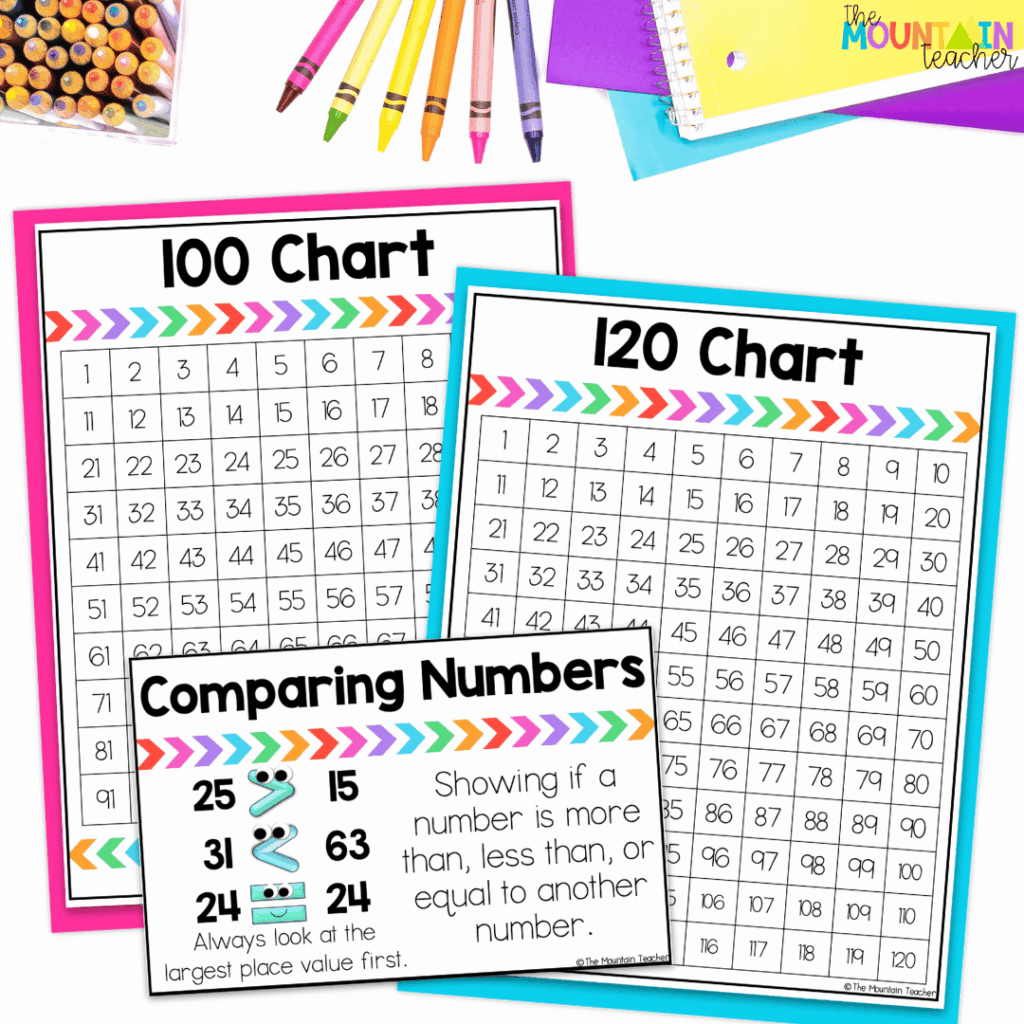
When I introduce a new place value skill, I always pair anchor charts with real examples. If we’re working on tens and ones, we build numbers using base ten blocks, draw them, write them, and talk through them together. The anchor charts in the Place Value Unit support key skills like grouping ones into tens, making sense of teen numbers, using 100s and 120s charts, and finding 10 more or 10 less.
Keeping these charts posted and referencing them in our lessons is a great way to support students’ learning. They give students a consistent visual reminder of the skills and concepts. They make great tools that students can use on their own to help them as they work independently.
Step Two: Hands-On Practice Before Paper and Pencil
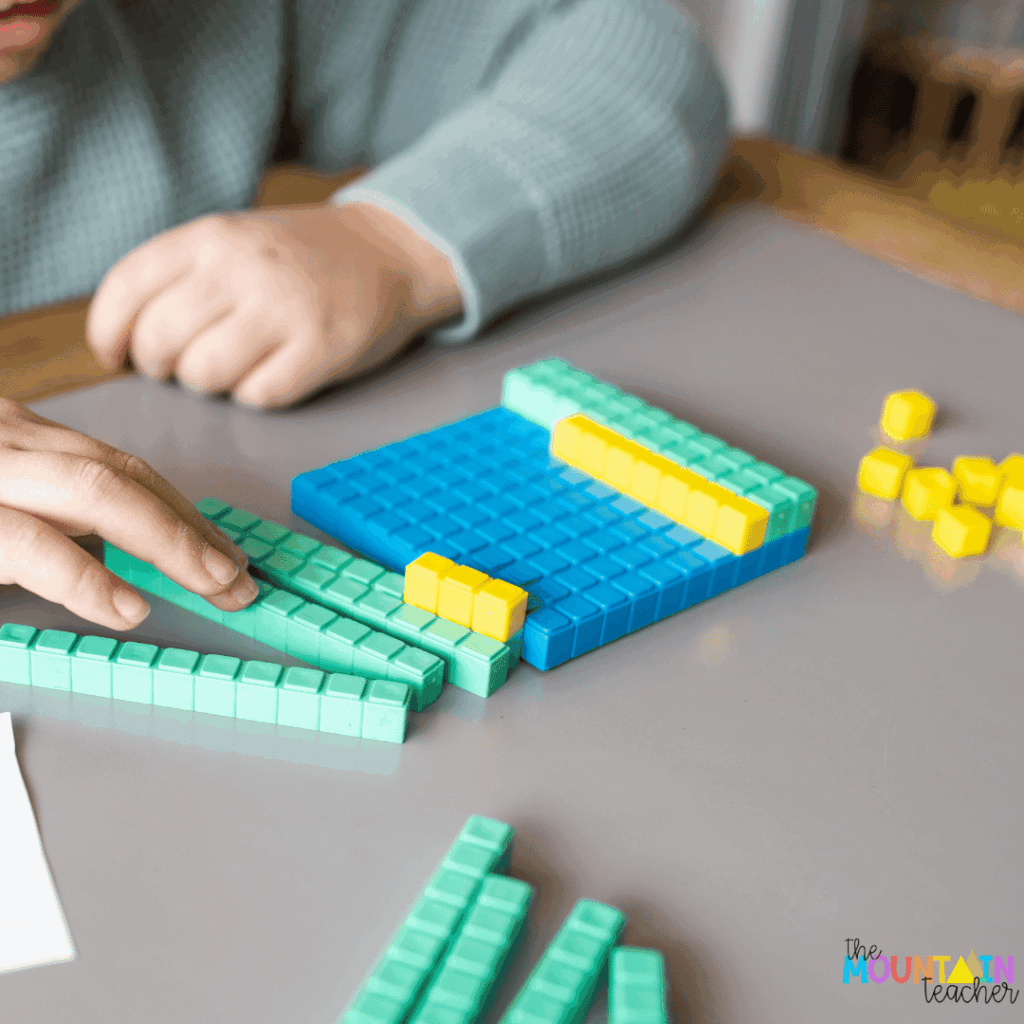
Before students ever touch a worksheet, they need time to physically work with numbers. Hands-on practice helps numbers feel meaningful instead of random symbols on a page. When students build numbers with base ten blocks or linking cubes, draw quick tens and ones pictures, count collections and group them by tens, compare numbers using number cards, or find 10 more or 10 less on a 120s chart, they are actively making sense of how numbers work.
Each lesson in the Place Value Unit includes clear hands-on suggestions like these, so you’re never left wondering how to model a new skill or where to start. Taking the time to build, draw, and talk through numbers before moving to paper-and-pencil work makes a huge difference in how well students understand place value and how confident they feel when it’s time to practice independently.
Step Three: Practice Pages That Reinforce, Not Confuse
Once students understand the concept, worksheets can really help solidify learning.
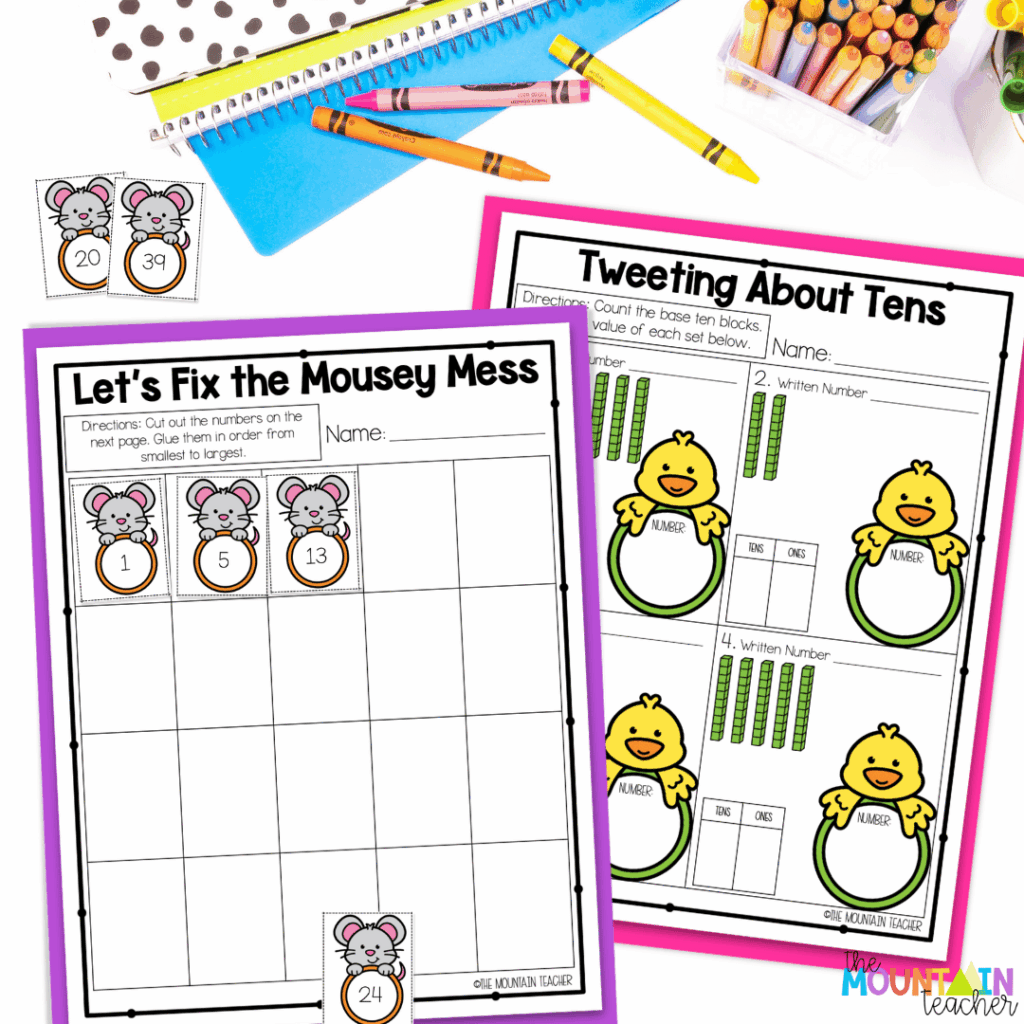
The worksheets in the 1st Grade Place Value Unit are intentionally simple and focused. Each day targets one specific skill, such as:
• Representing numbers with tens and ones
• Writing numbers in expanded form
• Identifying the value of each digit
• Mentally adding or subtracting 10
• Comparing two-digit numbers
Students might draw, circle, match, or explain their thinking. No fluff. Just meaningful practice that builds confidence. These activities are meant to support that important shift from concrete to abstract, helping students move from building and seeing numbers to understanding and working with them on paper. By the time students reach independent practice, they aren’t guessing. They know what the numbers represent and why the answers make sense.
A Simple Daily Routine for Place Value Lessons
If place value lessons tend to run long or feel scattered, a predictable routine can make a huge difference. This structure works well for both whole group and small group instruction and helps students know exactly what to expect each day.
Warm-Up (2 minutes)
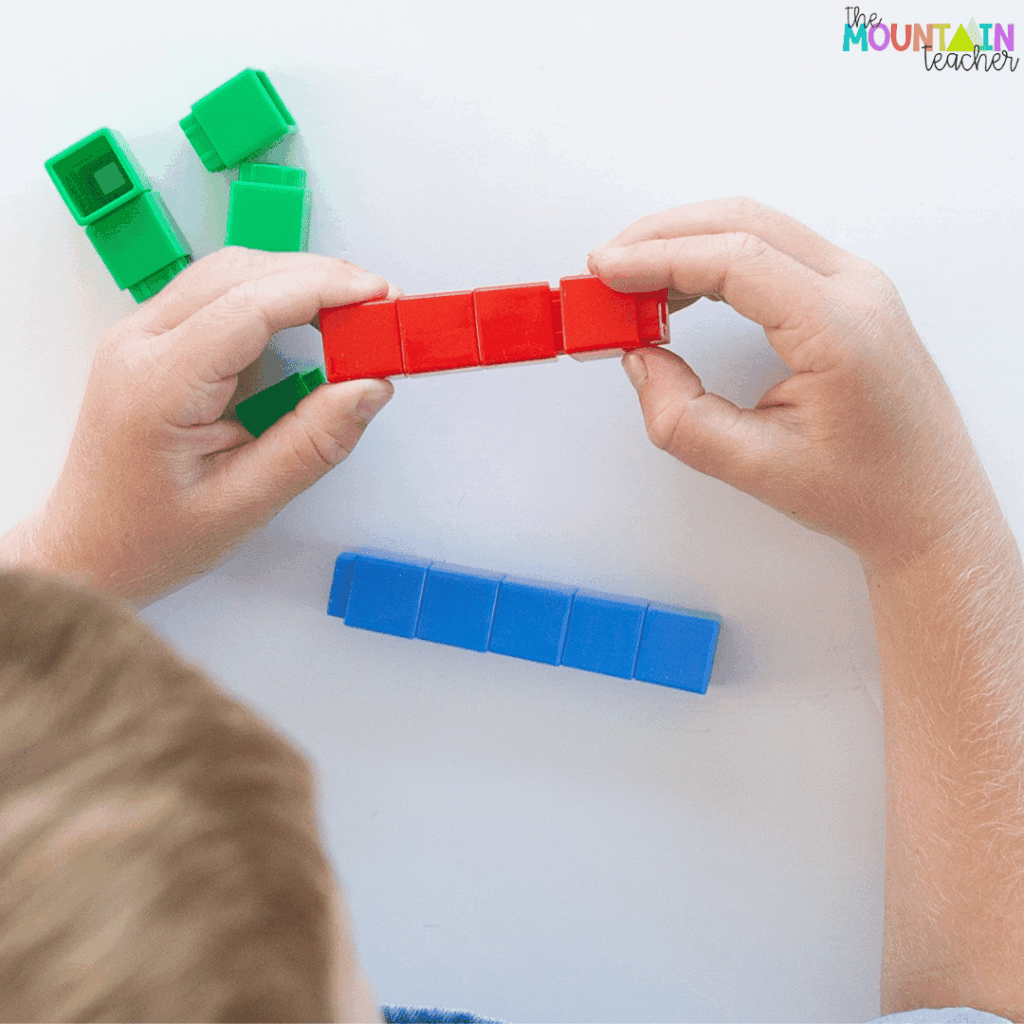
Always start with a quick warm-up to get students thinking about numbers right away. This doesn’t need to be fancy. A simple question is enough to activate their thinking and set the tone for the lesson.
You might ask, “Which is bigger, 36 or 63? How do you know?” and let a few students explain their thinking. Encourage them to talk about tens and ones, not just say the answer.
You can also flash a number on the board and ask students to show it with fingers, cubes, or quick drawings. These short warm-ups build confidence and give you a fast check-in on who’s getting it and who needs support.
Mini Lesson (5 minutes)
During the mini lesson, focus on ONE clear place value skill. This might be building a number with tens and ones, finding the value of a digit, or showing how to add 10 mentally.
Use an anchor chart or manipulatives and model the thinking out loud. For example, if you’re teaching tens and ones, build the number 42 and explain why the 4 means 40 and not 4.
The teaching guide in the 1st Grade Place Value Unit tells you exactly what to teach each day, so you’re not guessing or trying to squeeze in too much at once.
Guided Practice (5 minutes)
Next, practice together. This is where students get hands-on while you support and correct misconceptions in real time.
Have students build numbers with base ten blocks, draw tens and ones on whiteboards, or help you complete a class model. Ask questions like, “How many tens do you see?” or “What happens if we add one more ten?”
This part is key to helping students make sense of place value before working independently.
Independent Practice (5 minutes)
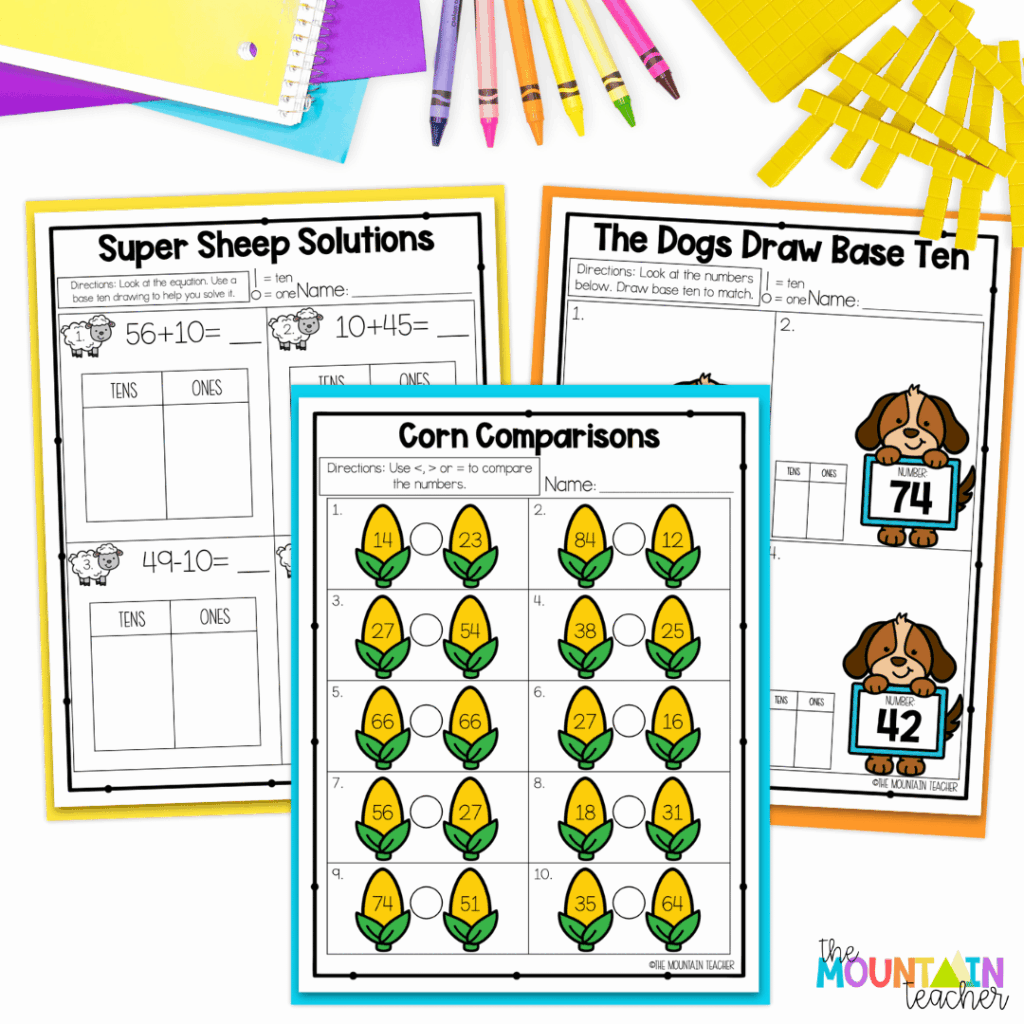
Finally, students complete the worksheet that matches the day’s skill. This gives them a chance to apply what they just learned on their own.
While students work, you can walk around, observe, and give quick feedback. If you notice confusion, it’s totally okay to slow down and reteach the next day. The aligned worksheets in the 1st Grade Place Value Unit make this step easy because you already know the practice matches the lesson perfectly.
This routine keeps lessons focused, manageable, and effective, without overwhelming you or your students.
Make Teaching 1st Grade Place Value Planning Simple
If you’re tired of piecing together place value lessons and hoping they work, the 1st Grade Place Value Unit is here to help.
Grab the Place Value Unit if you want five weeks of clear, low-prep lessons planned for you!
Trust me. . . Your future self will thank you!
Want All Your 1st Grade Math Planned for the Year?
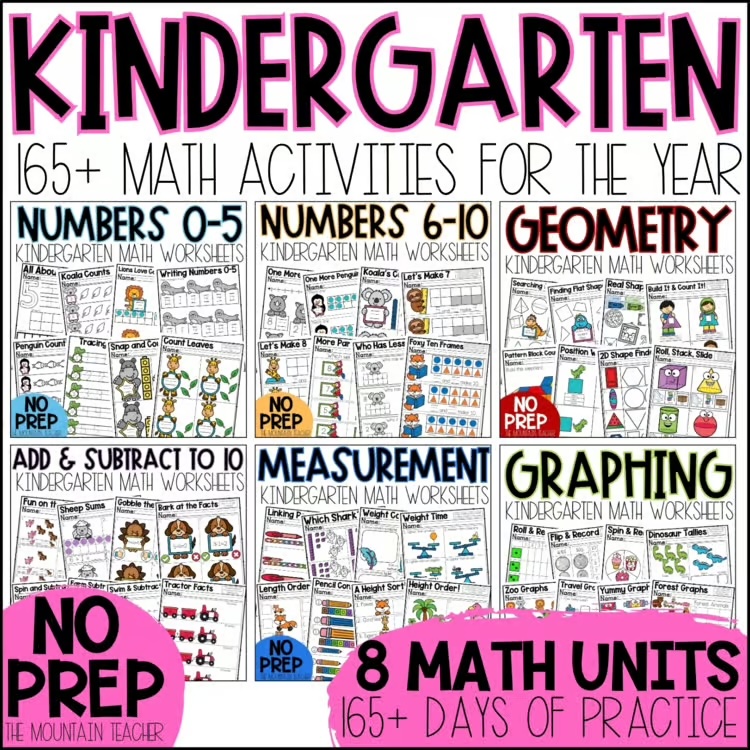
Planning your 1st-grade math lessons for the year is EASY with the Year-Long 1st Grade Math Bundle.
Inside, you’ll get:
• 8 full 1st grade math units
• 165 worksheets and activities
• Teaching guides for every unit
• Tests, practice tests, and weekly quizzes
• Anchor charts or posters
• Answer keys
• Printable worksheets, Google Slides workbooks, and TpT Easel activities
• BOY, MOY, and EOY benchmark assessments
• A year-long scope and sequence
If you’re ready for consistent routines, low-prep lessons, and math that finally feels doable, this bundle will quickly become your go-to. Grab it now and simplify your math lessons for the rest of the year!
Save This Post!
Be sure to pin this post on Pinterest so you can come back to it when you’re planning your 1st Grade Place Value lessons!